

Your Inspection

Here's How Your Inspection Works
Brick home with covered front porch in North Texas

Whether you’re buying, selling, or checking up on the house you already own, your inspection with Wallace Home Inspections starts with a real conversation. When you call, you’ll talk with Keenan, the same licensed home inspector who will be on site. Your questions go straight to the person doing the work.

We follow the Texas Real Estate Commission (TREC) Standards of Practice, which every licensed inspector in the state is required to meet. During your inspection, we evaluate the structure, roof, electrical, plumbing, heating and cooling, built-in appliances, and more, and we flag anything that needs prompt attention.

When the walkthrough is done, we’ll go over the main findings with you and your real estate agent in everyday language. Your report then arrives in both HTML and PDF formats, with photos and clear descriptions of what we saw. Use it to plan repairs, talk through terms with the other party, or simply get to know the house before you make a decision.

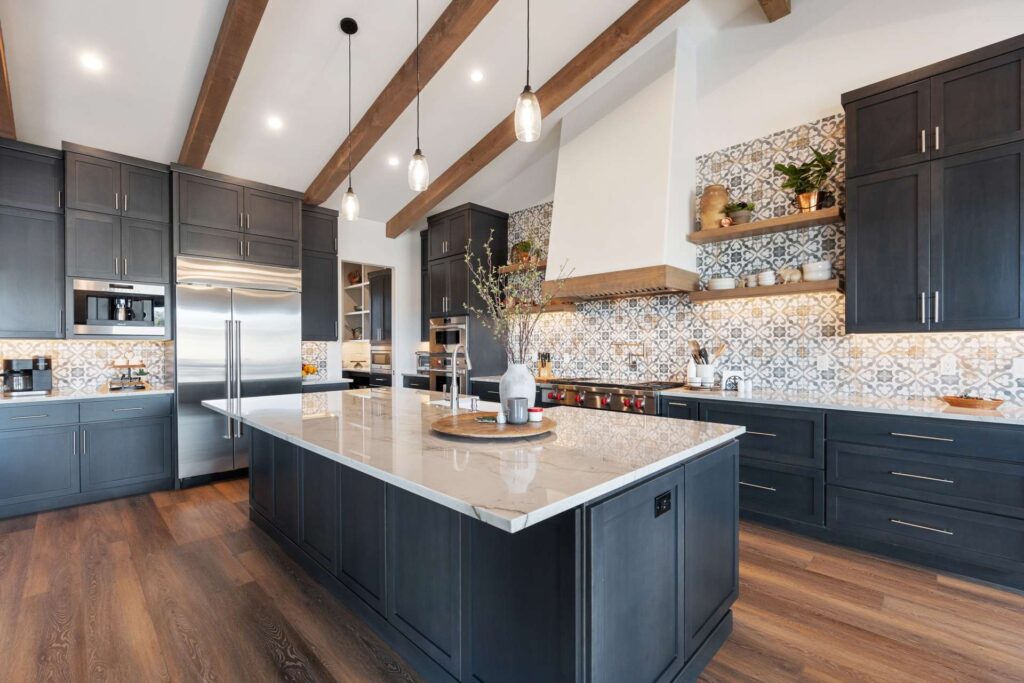
Modern kitchen interior in a North Texas home

5 Reasons Your Inspection Is Worth It

Stronger Footing in Negotiations

Buyers can use the findings to request repairs or adjust their offer. Sellers can handle problems before listing, so there are fewer surprises once a buyer's inspector arrives.

Hazards Brought to Light

Exposed wiring, missing GFCI protection, gas concerns, and signs of water intrusion get documented so you can deal with them before move-in day.

A Head Start on Budgeting

An older roof, water heater, or AC unit doesn't have to catch you off guard. Knowing what is near the end of its service life helps you plan ahead.

Confidence for Both Sides

Buyers get a clear picture of the home before they commit. Sellers who order a pre-listing inspection show they’re being upfront, which keeps the deal moving with less back-and-forth.

Fewer Unknowns After Closing

When you understand the home's condition going in, settling into it feels a lot less stressful.

Frequently Asked Questions

We look at the foundation, framing, roof, attic, insulation, electrical panel and wiring, plumbing, water heater, HVAC, built-in appliances, windows, doors, and more, following TREC guidelines. Most homes take a few hours, depending on size and age.

Clear a path to the attic access, electrical panel, water heater, and HVAC equipment. Keep all utilities on and pilot lights lit. If you won’t be home, arrange access and secure any pets so we can reach every room.

If the property has an irrigation system, we recommend it. Sprinkler problems are easy to miss during a showing and can lead to high water bills, dry patches, or pooling near the foundation. Adding it gives you one less system to wonder about.

Neither. A home inspection is not a test. Your report records the home’s current condition, and nearly every house, including new construction, will have a few items listed. What matters is knowing which ones deserve your attention.

Consistency. You won’t be passed between schedulers, assistants, and rotating inspectors. Keenan handles your inspection from the first call to the final follow-up, so you always know exactly who to reach.

What's Included in a Home Inspection?

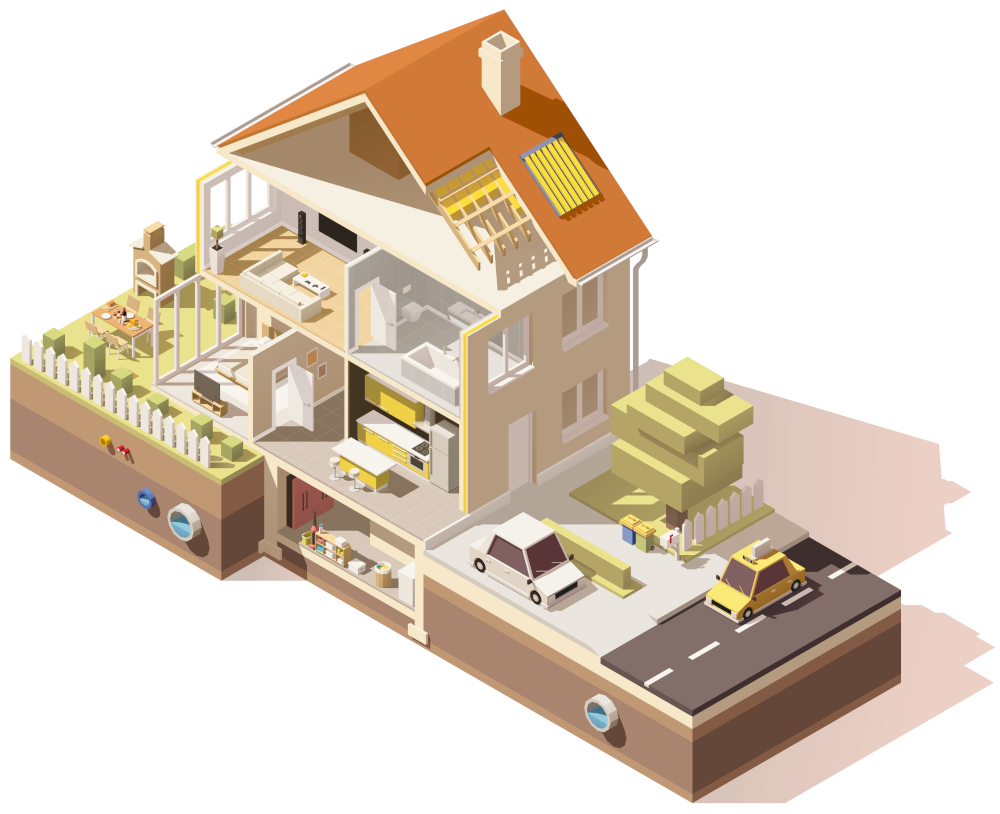
Illustration of a home showing areas covered in a home inspection
Roof inspection icon

Roof

Roof coverings, gutters, downspouts, vents, flashing, skylights, chimney, roof penetrations and the general structure of the roof.
Attic inspection icon

Attic, Insulation, Ventilation

Insulation and ventilation of unfinished spaces, including attics, crawl spaces, foundation areas and exhaust systems.
Exterior walls inspection icon

Exterior

Siding, windows, exterior doors, flashing & trim, walkways, driveways, stairs, patios & decks, and drainage.
Foundation and structure inspection icon

Basement, Foundation, Crawlspace, Structure

Foundation movement, cracks, structural concerns, and indication of water penetration.
Air conditioning inspection icon

Cooling

Cooling system, location of thermostat, energy source and cooling method.
Heating system inspection icon

Heating

Heating system, location of thermostat, energy source and heating method.
Fireplace inspection icon

Fireplace

Visible portions of the fireplace & chimneys, lintels, damper doors, and cleanout doors & frames.
Plumbing inspection icon

Plumbing

Main water & fuel supply shut-off valves, water heater, interior water supply, toilets, sinks, tubs, showers, drain, waste and vent systems.
Electrical system inspection icon

Electrical

Service drop, overhead service conductors, service head & mast, main service disconnect, panelboards, grounding, switches, light fixtures, receptacles deemed to be AFCI & GFCI, and the presence of smoke alarms & carbon monoxide detectors.
Built-in appliances inspection icon

Appliances

Dishwasher, disposal, range, oven, microwave, exhaust, bathroom heater, garage door, doorbell, and dryer vent

Basement and crawlspace inspection icon

Doors, Windows, Interior

Representative number of doors & windows, floors, walls, ceilings, stairs, railings, garage door and openers.

Spectora logo
© Copyright 2026 Spectora Inc.